
What is Chronic Insomnia and What are its Symptoms?
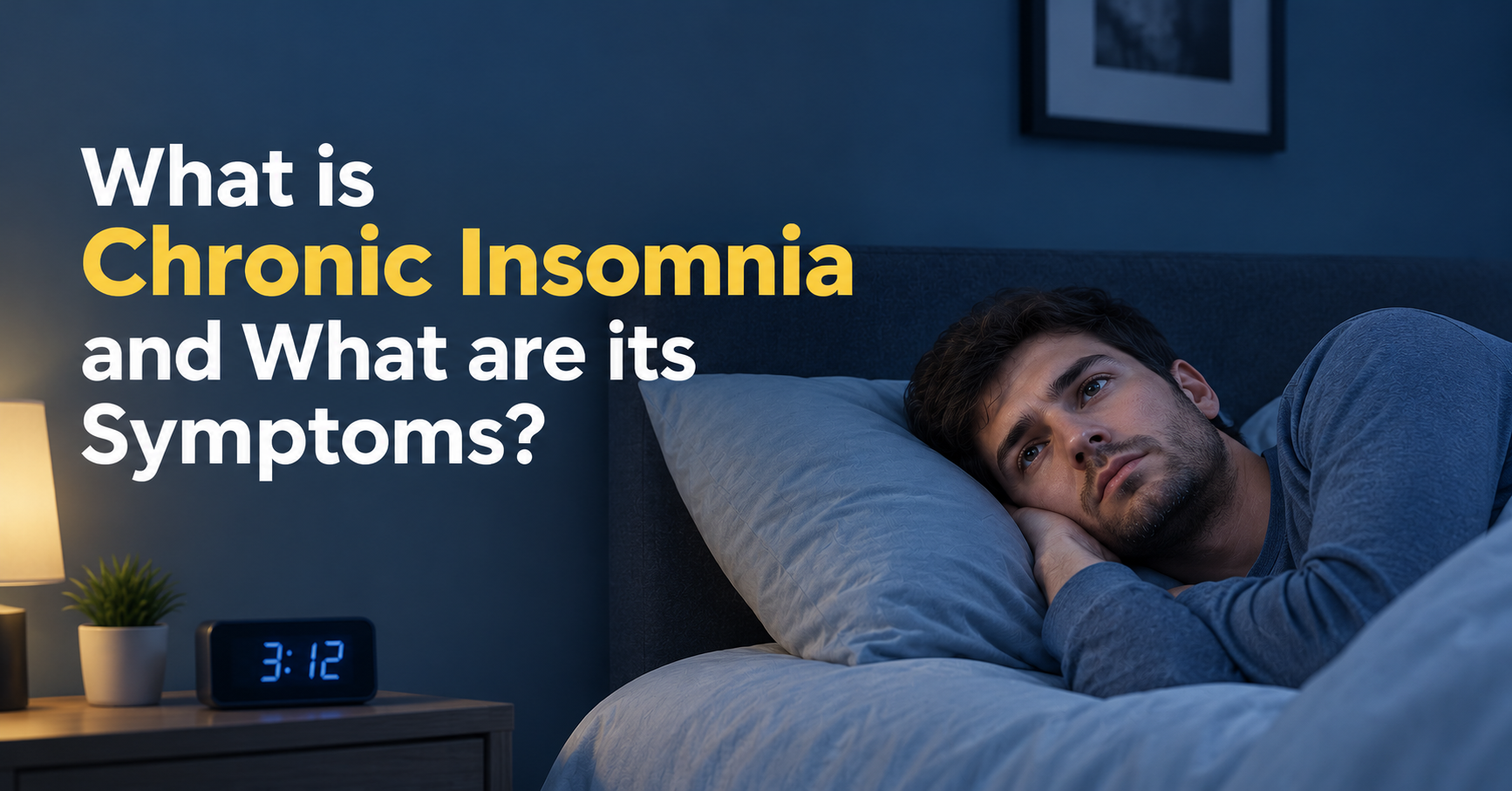
If you are not having sleep for consecutive nights and the cycle is repeating for months, then it is a sign of chronic insomnia. No web advice of switching your phone before bed, or taking a warm cup of tea would help. Because insomnia is not just a series of sleepless nights, it is a central nervous system state that can persist for a long time. However, if you choose the line of treatment wisely, you can manage this situation. At Sleeping Tabs, you have the access to OTC sleeping tablets that can manage acute or chronic insomnia. If your doctor prescribes you pills you can buy them with complete confidence.
What is Chronic Insomnia?
Chronic insomnia is a persistent sleep disorder that involves persistent difficulty falling asleep, maintaining sleep or getting up too early. As a result, a person feels very sleepy and lethargic when they are awake. It can go on for 3 nights or more a week for at least 3 months, so it becomes a vicious cycle of bedtime anxiety. This ongoing unrest affects the normal functioning of day-to-day life and simple activities seem overwhelming.
- Primary Triggers: Persistent stress, anxiety, lack of sleep and/or medical issues keep the brain on red alert at night.
- Daytime Effects: Cause fatigue, brain fog, mood changes and trouble concentrating at work or school.
Most insomniacs can find a solution to their sleeping difficulties through a number of strategies. It includes making a bedtime routine, using OTC Sleeping Pills as prescribed by the doctor, or using Cognitive Behavioral Therapy for Insomnia (CBT-I).
How to Check if You Are Suffering From Chronic Insomnia?
There are no simple checklists for chronic insomnia. But various reasons can cause sleep disturbance, such as stress, travel, rough week at work, or a sudden event in life and they count as acute insomnia. But how to identify chronic insomnia?
The easy way to figure it out, if your sleep problems persist for months, then you have entered into a chronic insomnia phase. Your sleep will be in disturbed state even if the environment is favorable and there is an adequate time to sleep. Moreover, you would be unable to perform daily functions because of poor cognitive abilities.
Symptoms of Chronic Insomnia
Chronic insomnia is accompanied by various complaints, not only during the night, but also in the morning, which leads to tiredness and exhaustion. The body doesn’t get the same restful sleep three months or more at a time, and the nervous system stays in a state of constant fatigue. This leaves chronic insomnia sufferers with disruptions at night, and poor performance and productivity during the day, impacting overall quality of life. Hence, you will follow the symptoms described below.
- Sleep Difficulty: Taking more than 30 minutes to fall asleep, waking many times at night, waking too early in the morning to fall back to sleep.
- Persistent Daytime Fatigue: Feeling unrefreshed upon waking, and experiencing chronic fatigue, extreme daytime sleepiness and low energy.
- Cognitive Difficulties: Complaining of brain fog, trouble focusing, reduced memory, and having trouble with things at work or in everyday life.
- Mood Disturbances: Mood shifts, irritability, heightened anxiety around sleep, frustration or loss of motivation.
- Physical Discomfort: Regular headaches, muscle pain, stomach discomfort or a feeling of tension in the body.
How to Cure Chronic Insomnia?
Chronic sleep disturbances are established due to disruption in biological cycles and behaviors. So, if you are looking for quick fixes as insomnia treatment, then there is none. However, there is effective medical intervention which is “Cognitive Behavioral Therapy for Insomnia (CBT-I)” that changes the way you think about sleep. This progressive process of reducing the intensity of nighttime awakenings and resetting your internal clock can help you a lot. However, it also requires some time to show results.
Moreover, you can do the following to manage your chronic insomnia.
- Get up at the same time each morning, no matter how tired you are from the night before.
- If you sleep for more than 20 minutes, get out of bed and go to a different room that is less stimulating.
- No Caffeine after 12 PM and avoid blue light screens for 1 hour before sleep.
- Indulge in low-activity relaxation exercises, like light reading, gentle stretching and warm baths.
- Do not spend too much time in bed trying to fall asleep
Conclusion
Chronic insomnia is a complex condition that can’t be treated with a single solution but needs to be tackled from several angles to achieve a good night’s sleep. Short-term recovery from acute insomnia may be achieved through over the counter medicines; however, long-term recovery is possible by resetting your central nervous system. If your doctor prescribes you to take OTC sleeping tablets then Sleeping Tabs is the best spot to buy sleeping pills. It’s an online medical store that sells 100% original medicine with a discreet delivery service. Moreover the payment gateway is also secured so, you can shop with us confidently.
FAQs
Acute insomnia is short-term sleep trouble lasting a few weeks due to stress, whereas chronic insomnia persists at least three nights a week for three months or longer.
Good sleep hygiene helps manage symptoms, but fully curing chronic insomnia typically requires evidence-based treatments like Cognitive Behavioral Therapy for Insomnia (CBT-I).
No, OTC sleep aids only offer temporary relief for acute flare-ups and do not fix the underlying behavioral patterns causing long-term sleep loss.