
What Causes Anxiety?
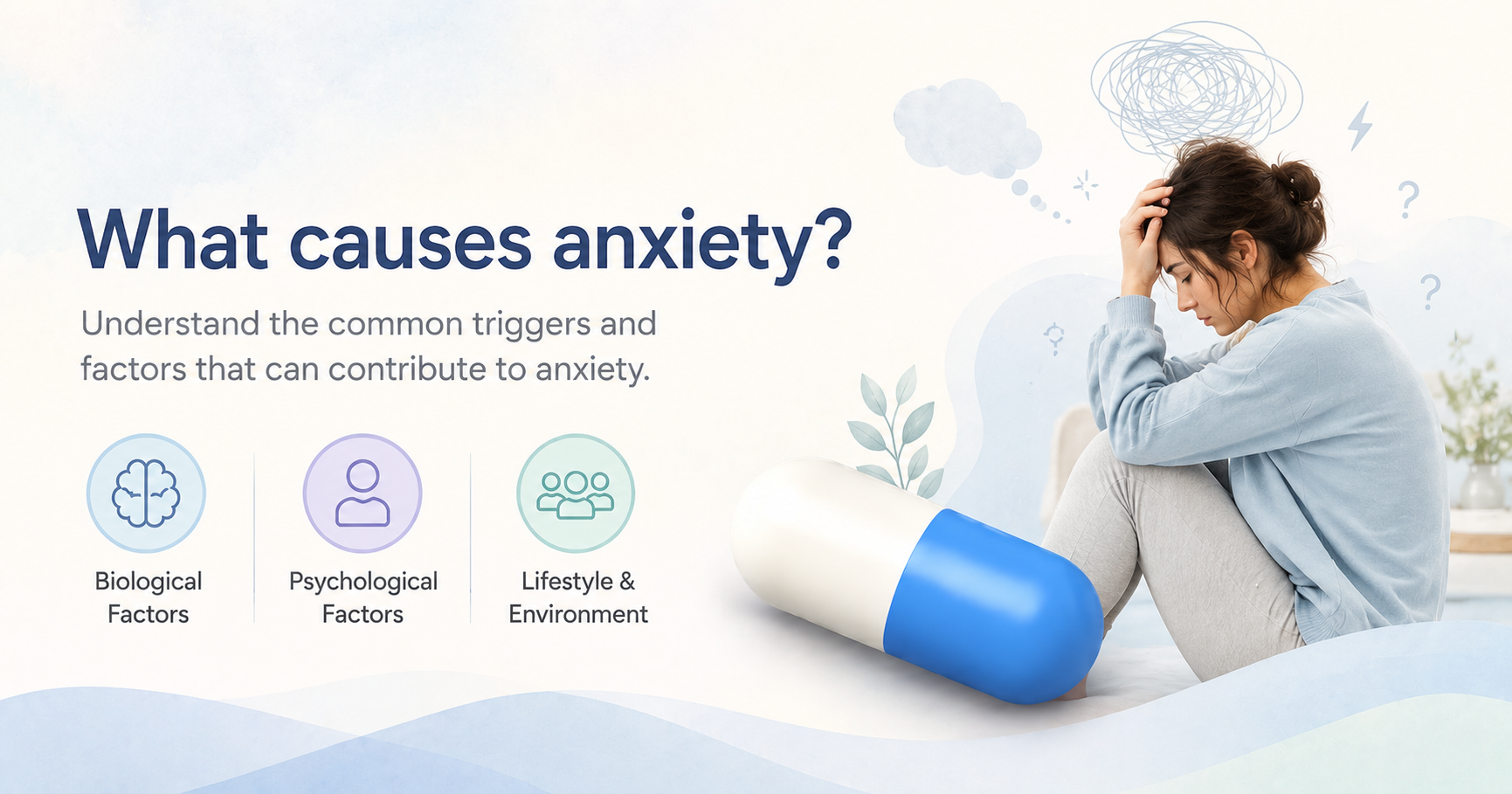
What causes anxiety? This question is one of the most asking questions. Basically anxiety is a feeling of a tightening of chest, racing heart and a knot in stomach. This isn’t simply about being stressed, it’s a whole body reaction that can make life feel like a struggle. The disorder is caused by a combination of emotional, environmental, and biological factors. Expecting a worst case scenario is also a common pattern in the anxiety patients. If you want to get your life back, it is important to know what initiates it. Those who are looking for anti-anxiety medication then can buy from Sleeping Tabs. It is an online medical store that sells authentic medicines and delivers them at your doorstep.
What causes anxiety? Core Reasons
There is no one single cause of anxiety. Rather, it is a combination of internal and external factors:
1. Brain Chemistry & Genetics
Anxiety may be a hereditary trait, if it runs into family. From a chemical point of view, anxiety is closely correlated to the imbalance of brain neurotransmitters: gamma-aminobutyric acid (GABA), serotonin and dopamine. A depletion of GABA activity in the brain makes it hard to calm down, and this keeps your central nervous system in constant fight or flight mode and it causes anxiety.
2. Chronic Stress & Life Events
Your nervous system is on alert due to work-related stress, financial problems, relationship issues, or significant changes in your life. With time, it weakens the emotional resilience making it a chronic anxiety disorder. It gets intense after years of emotional distress.
3. Trauma and Past Experiences
Emotional or physical trauma that has occurred in the past can have an impact on the brain. You might keep thinking about them for years and they spark deep rooted anxiety and distress in your body. Initially, these thoughts seem to be harmless but the brain remembers them and it turns into a vicious cycle.
4. Physical Health & Lifestyle Factors
Some medical problems that contribute to anxiety include thyroid issues and chronic pain. Moreover, excessive caffeine consumption, unhealthy diets, inactivity and alcohol misuse can have a huge impact on increasing your anxiety.
How Medical Treatments Can Help in Relieving Anxiety?
Sometimes the overwhelming anxiety needs immediate, effective clinical treatment. If anxiety is interfering with sleep, concentration and functioning, prescription medications can help to calm your nervous system. They help restore equilibrium to your brain’s nerve pathways and provide your mind the needed space. You can also adopt lifestyle changes, therapeutic techniques and mindfulness to make some improvement in your condition.
Effective Medications For Anxiety
The following are some of the best medicines that have a proven record of effective treatment.
- Lorazepam: A very short-acting drug that increases the action of the chemical GABA which can quickly calm acute panic and intense agitation.
- Alprazolam: This drug comes with a quick onset of action and is very effective in interrupting sudden attacks of panic if they occur, and soothes overactive nerves.
- Diazepam: Relieves generalized and chronic anxiety, muscle tension, and helps keep the body calm all day long.
- Pregabalin: is used to manage the anxiety caused by intense nerve pain.
Conclusion
It’s tiring to live with untreated anxiety. Once nighttime insomnia and stress start to consume you, it becomes important to find the way out of it. At Sleeping Tabs, we offer reliable medication such as Lorazepam, Alprazolam, Diazepam or Pregabalin. They help to overcome anxiety and manage things effectively. You can conveniently order your prescription medications from the comfort of your home. Our customer support staff is well-trained and responsive towards your queries.
FAQ
Doctors usually prescribe daily long-term medicines (like SSRIs) to balance brain chemicals over time, or fast-acting medicines (like benzodiazepines) for immediate short-term relief during acute panic.
Fast-acting relief medicines work within 30 to 60 minutes, while daily long-term medications usually take 4 to 6 weeks to reach their full effect.
No, stopping abruptly can cause withdrawal symptoms or severe rebound anxiety, so you should always taper off slowly under a doctor’s guidance.